Antonio Leblanc
I built an AI platform that protects 40 million hectares from wildfires.
Cameras · 150 HaaS + 40 SaaS
Of fires in production that our AI spots before a person does
AI agents in production · human oversight
Detection, risk,
response, impact
The wildfire AI platform I lead end to end at 1.5°C — field cameras, satellite imagery, and fire-risk models in one operation.
Read the full story ↗Nine agents,
one company
AI agents plugged into the tools each area already uses: Zendesk, Pipedrive, GitHub, AWS. Each one has a person accountable for it, and nothing reaches production without someone saying so.
1/3 of the company uses it · 520 PRs merged · 35 repos
Read the full story ↗








Where the fire
goes next
The open-source fire-spread simulator built by CNRS. I maintain it outside the day job and co-authored its JOSS paper.
Read the full story ↗So far
- 2019
Joined 1.5°C as an intern. A year later, I had to step into the CTO role when the founding engineer left.
- 2021
First deployment, at our largest client, won in a competitive process. I went into the field and up the towers.
- 2023
Closed our investment round. I led the technical case with investors.
- 2025
Became a maintainer of ForeFire, which I had contributed to since 2022, and co-author on its JOSS paper.
- 2026
AI agents in production on Hermes, used by a third of the company.
- Now
Open to senior technical leadership or senior individual contributor roles in climate, energy, govtech, and open source.
Led four areas, then handed off all four
- Customer SuccessOrganized the CS documentation.
- SupportOrganized support ticketing.
- MarketingCovered it between hires.
- HRLed it for two years.
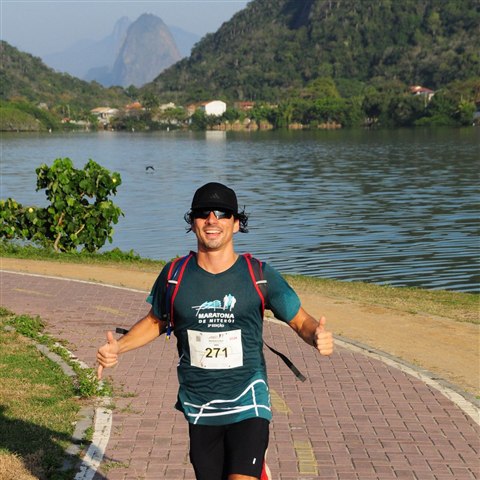
Off the clock
- Sports
Marathon runner, 3:23 PR. Second place at the Rio Duathlon, age-24 category.
- Music
Ten years of formal piano, self-taught guitar, and saxophone in a Carnaval bloco — where I built the group's sheet music player.
- Side projects
A side habit of turning public data into tools: an interactive map of Brazil's power grid (brasil-grid) and an open-data tracker for Congress (fichadopolitico).
Get in touch
If you're building something ambitious in AI, climate, or public-interest tech, write to me. I'd like to hear about it.